robotics · ages 7-12
VEX GO vs LEGO SPIKE Prime: Which Classroom Robot Works at Home (2026)?
VEX GO or LEGO SPIKE Prime for a kid at home? VEX GO wins on value and age fit for 7-11 — and SPIKE Prime retires June 2026. Here's the honest pick.
Published 2026-06-05 · 8 min read
Amazon Associates disclosure
As an Amazon Associate, I earn from qualifying purchases. The price you pay is the same. This guide is based on manufacturer specifications, published independent reviews, and verified-buyer feedback, not hands-on testing.
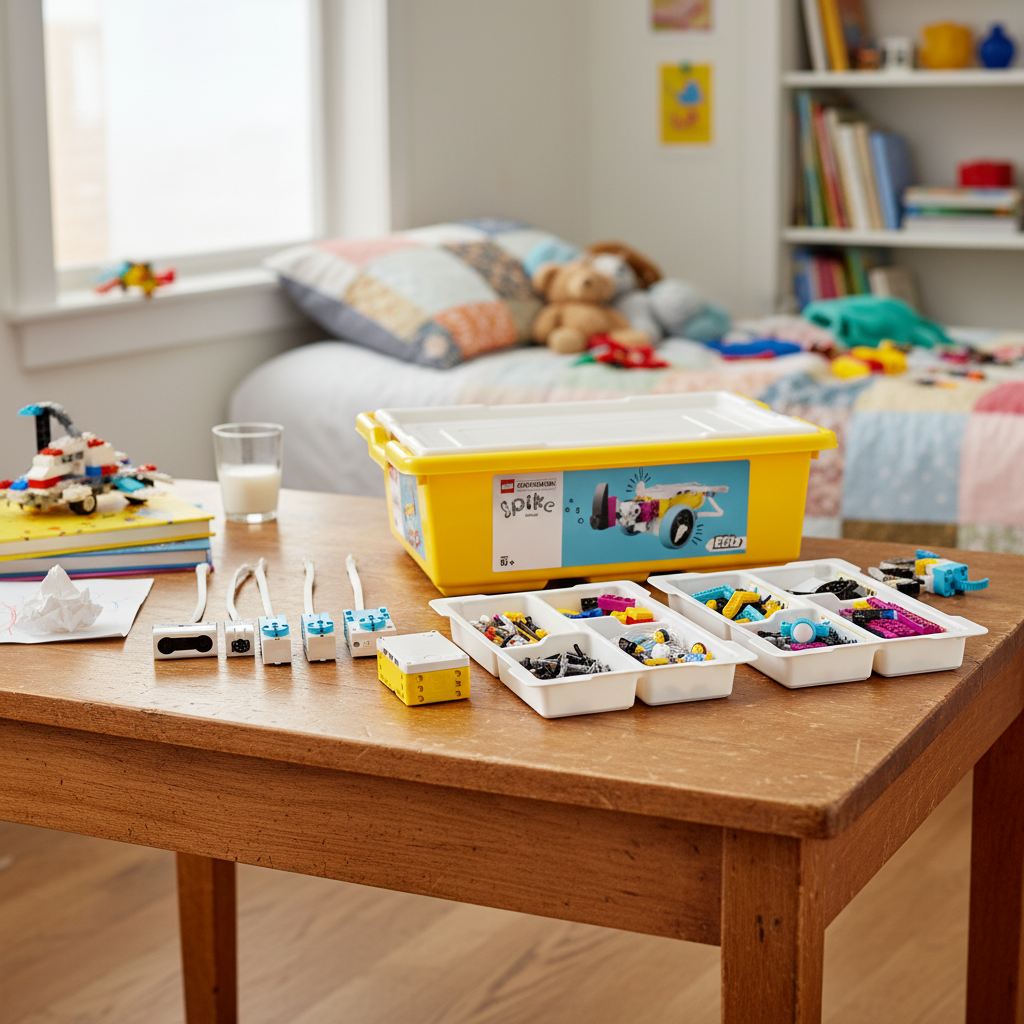
Two of the most respected names in school robotics — VEX GO and LEGO Education SPIKE Prime — are increasingly landing on kitchen tables, not just classroom carts. Both were designed for teachers, both ship a real curriculum, and both cost real money. So which one actually makes sense for a kid building at home? The honest answer turns on age, budget, and one piece of 2026 news that changes the math.
TL;DR
- VEX GO (~$199, ages 7-11, sold direct at vexrobotics.com) is the better-value starter for most homes: younger-friendly, free curriculum, and an ecosystem that isn't going anywhere.
- LEGO SPIKE Prime (Amazon, ages 10+) has richer sensors and the FIRST LEGO League path — but LEGO Education is retiring it: sales end June 30, 2026.
- Pick by age first. For a 7-10-year-old first-timer, VEX GO. For a 10-12-year-old ready to code and compete, SPIKE Prime — bought before the cutoff.
Quick answer: which should you buy?
For most families putting a "classroom" robot in a child's hands at home, VEX GO is the pick — and the rating reflects that. It's aimed at the age most parents are actually shopping for (7-11), it costs less, its lessons are free and simple enough for a kid to run solo, and crucially it isn't being discontinued.
Choose LEGO SPIKE Prime instead in one specific case: your child is 10-12, ready for serious sensors and Python, and you want a path into FIRST LEGO League. Just know you'd be buying a product LEGO Education is sunsetting in 2026 (more on that below).
If you're torn, let price break the tie. The roughly $130 gap between the two kits buys a lot of extra craft supplies, library books, or a second simpler robot for a sibling. Spending more only makes sense when the older-kid features (richer sensors, deeper Python) will actually get used, not just admired in the box.
What's actually different between VEX GO and SPIKE Prime?
| Feature | VEX GO | LEGO SPIKE Prime (45678) |
|---|---|---|
| Target age / grade | 7-11 (grades 3-5) | 10+ (grades 6-8) |
| List price | ~$199, direct only | ~$330 (LEGO Education) |
| Where to buy | vexrobotics.com (no Amazon) | Amazon + LEGO Education |
| Pieces | ~296 | ~528 |
| Sensors | Eye sensor, LED bumper, electromagnets | Color, distance, force + gyro hub |
| Coding | VEXcode GO (blocks → Python) | SPIKE App (icon/word blocks → Python) |
| Curriculum | Free STEM Labs | 50+ hours, free in app |
| Status | Current, active K-12 ladder | Retiring — sales end June 30, 2026 |
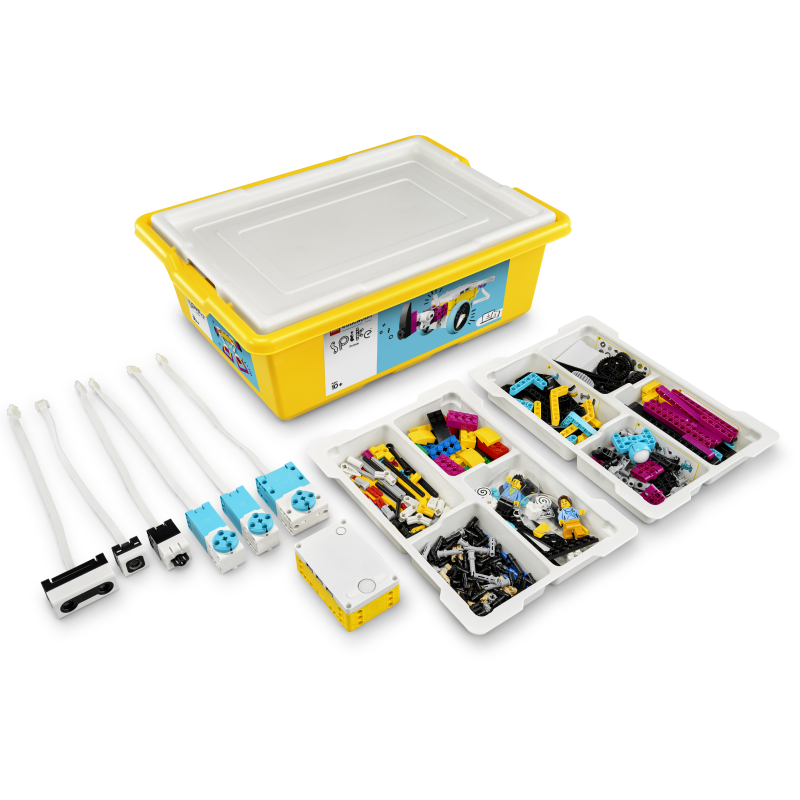
The shape of the difference: VEX GO is the lighter, younger, cheaper entry with a clever physics twist (its electromagnets), while SPIKE Prime is the heavier, older, sensor-rich kit with a deeper coding ceiling. According to LEGO Education's product page, SPIKE Prime is built around a 45-minute lesson model for grades 6-8; VEX's GO line is pitched a few years younger.
Which is easier to start at home without a teacher?
This is where the GO kit quietly wins for a lot of families. Both kits assume a classroom with an instructor, yet the builds and app from VEX are simpler for a younger child to drive alone, and the free STEM Labs don't sit behind a teacher account. SPIKE Prime's curriculum is excellent and equally free inside the app. Its sweet spot, though, is Python and multi-sensor projects, which really reward a parent who can sit in for the first few sessions.
Picture a typical Saturday. An 8-year-old with the GO kit can open a STEM Lab, snap together a build, and drag a few blocks to make it move in one sitting, mostly on their own. A 10-year-old with SPIKE Prime can get just as far, but the projects that show off its sensors usually need an adult to unblock the first Python error or explain a gyro reading. If your goal is "hand it to the kid and let them go," lean toward VEX. If your goal is "learn alongside an older kid on a weekend project," SPIKE Prime pays that back with a higher ceiling.
Does the SPIKE Prime discontinuation change the math?
Yes, and you should weigh it honestly. LEGO Education has confirmed it is retiring the SPIKE portfolio: end of sales is June 30, 2026. After that, the SPIKE App keeps getting bug fixes until June 30, 2031, and SPIKE stays eligible in FIRST LEGO League through the 2027-2028 season. LEGO's replacement, Computer Science & AI, ships from April 2026 but isn't a drop-in successor.
For a home buyer, "end of sales" means a few things. The kit still works fine for years, since app support runs to 2031, but you won't see new official lessons after the line retires. Sealed sets also tend to get pricier on the resale market once a popular product stops shipping, so the bargain window is now, not later. And there's a quieter point in SPIKE's favor for tinkerers: because it runs standard Python, the active open-source community around LEGO hubs gives it a path to keep working with custom code well beyond the official app's life. None of that makes SPIKE a bad buy. It just means you should buy it with eyes open, knowing you're stepping onto a platform that's winding down rather than ramping up.
If you specifically want SPIKE Prime, buying before the cutoff is reasonable. If you want the longest runway of officially-supported, parent-proof material, that's a clear point for VEX GO. We go deeper on the LEGO side in our SPIKE Prime vs Mindstorms breakdown, including how the two LEGO robotics generations compare.
Which lasts longer — ecosystem and durability?
LEGO's Technic parts are famously tough and endlessly recombinable, and SPIKE Prime inherits that. The main durability knock from reviewers like Brick Architect is its non-removable hub cables, which are awkward to replace if one fails. The GO kit is newer, so there's less long-term field data, and its snap connectors are unproven over years of hard daily use by younger hands.
Where VEX pulls ahead is the road past the first kit. It sits on a living K-12 ladder, so a child can move from GO up to VEX IQ and then competitive VEX Robotics without abandoning what they learned. SPIKE Prime no longer has that forward path, since the whole portfolio is being retired and the successor is a different product. If you're choosing a system to grow with over several years, the GO roadmap is the safer multi-year bet right now. For a younger sibling who isn't ready for either, start with something simpler from our mBot vs Elegoo starter guide.
What are the honest cons of each?
No kit is perfect, and at these prices the trade-offs matter. Here's where each one will frustrate a home buyer:
- VEX GO: fewer sensors (no distance sensor), a smaller hobbyist community than LEGO, direct-only purchasing (no Prime shipping), and limited long-term durability data.
- LEGO SPIKE Prime: higher price, a steeper Python on-ramp for younger kids, fragile hub cables, and — the big one — it's being retired, so you're buying into a sunsetting platform.
The verdict — our pick
Bottom line: For most homes, VEX GO is the pick (4.5/5) — the better-value robotics starter for ages 7-11, with free solo-friendly lessons and an ecosystem that isn't being discontinued. Buy LEGO SPIKE Prime only for a 10-12-year-old ready to code and compete, and buy it before the June 30, 2026 sales cutoff.
VEX GO earns the recommendation for the family it actually fits: a younger first-timer, a tighter budget, and a parent who wants something the kid can largely run alone — without inheriting a product that's on its way out. SPIKE Prime remains a genuinely excellent kit; it's just answering a narrower question in 2026 (older kid, competition path, act-before-the-cutoff) than it did a year ago. Match the kit to the kid, and either way you're buying real robotics education, not a toy that gathers dust.
FAQ
The questions above cover age fit, buying paths, and the discontinuation; check each product's official page for current pricing before you order, since both fluctuate.