STEM and science · Ages 5-16
Best STEM Subscription Boxes for Kids 2026: 7 Compared
Seven STEM subscription boxes for kids compared by monthly price, age fit, and cancellation ease, including KiwiCo's billing trap and CrunchLabs' delays.
Published Jul 15, 2026 · 9 min read
Some links below are affiliate links. I may earn a commission from qualifying purchases at no extra cost to you.
TL;DR
- For most kids aged 9-12: KiwiCo Tinker Crate, $24/mo on the annual plan. Strongest track record of the seven; just set a calendar reminder, because its cancellation window is the documented weak spot.
- STEM-serious kid? Groovy Lab in a Box (
$25-$35/mo, ages 8+) for engineering rigor, or MEL Science ($30/mo, ages 10-16) for real chemistry. On a budget: Steve Spangler STEM Lab, ~$20/mo.- Ages 5-8: Little Passports Science Junior ($25-$32/mo): gentle science, and the only box here that documents cancel-anytime with no friction.
Every parent who has bought a science kit knows the arc: two loud weekends, then a shelf. Every list of the "best STEM subscription boxes for kids" makes the same pitch: a fresh project lands every month, so the interest never gets a chance to die. The catch is the other half of the deal: a recurring charge that keeps billing after the interest fades, sometimes because the cancel button is genuinely hard to find. This guide compares seven current boxes (July 2026) by price per month, age fit, project depth, and, bluntly, how hard each one is to quit.
How we evaluated: verdicts come from manufacturer pricing pages, published independent reviews, and patterns across verified-subscriber feedback (Trustpilot volumes cited where used), not personal hands-on testing of the boxes.
As an Amazon Associate, I earn from qualifying purchases made through product links in this review. These subscription boxes link via each provider's own site, not Amazon. This does not affect the price you pay.
Which STEM subscription box fits which kid?
Age is the first filter, budget the second, and cancellation ease the tiebreaker most parents forget. Here are all seven side by side.
| Box | Price per month | Ages | Projects / STEM depth | Cancellation ease |
|---|---|---|---|---|
| KiwiCo Tinker Crate | $24 (annual plan) | 9-12 | 1 deep engineering build | Hard: 11:59 PM EST deadline |
| CrunchLabs Build Box | ~$25/box (annual) | 8-13 | 1 build + Mark Rober video | No documented friction |
| MEL Science | 10-16 | 100+ experiment library | Annual prepays a full year | |
| Little Passports Science Junior | $25-$32 by plan | 5-8 | 4-6 activities + comic | Easy: cancel online anytime |
| Groovy Lab in a Box | ~$25-$35 by term | 8+ | ~4 projects, design-loop rigor | No documented friction |
| Green Kid Crafts | ~$30 | 3-10+ | 4-6 eco craft-STEAM projects | No documented friction |
| Spangler Science Club | ~$10-$30 by tier | 8+ | Tiered: Snack / Lab / Deluxe | No documented friction |
An eighth name belongs on this list but not in it: Bitsbox, the coding-card subscription for ages 6-12, is listed as sold out on its own site as of July 2026. Until stock returns, the coding angle is better served by the platforms in our Bitsbox vs Tynker vs Code.org comparison.
Is KiwiCo Tinker Crate still the one to beat?

Yes, with one loud caveat. Tinker Crate is the engineering line of the KiwiCo catalog: ages 9-12, one big build per month (motors, circuits, mechanical contraptions), $24/mo on the 12-month plan ($288/yr, saving about $65 versus monthly billing). Across 4,960+ Trustpilot reviews, 80% are 5-star; the recurring praise is material quality and clear instructions.
The caveat is billing. The company's own cancellation FAQ sets the deadline at 11:59 PM EST the day before your billing date. Miss it by a minute and the next box is charged. Roughly 448 one-star reviews in that same Trustpilot pool cite billing and cancellation problems, including Android users stuck in a "pause loop" that never actually pauses, and charges arriving after a cancellation confirmation. The product earns its reputation; the billing system fights you on the way out.
Skip it if: you are the household that forgets calendar deadlines, your kid is under 9 (the sibling Kiwi Crate covers 6-9), or you want a hands-off activity; these builds expect an adult nearby. For a deeper look at the brand's younger lines against two rivals, see our KiwiCo vs MEL Science vs Little Passports comparison.
Is CrunchLabs Build Box worth the wait?
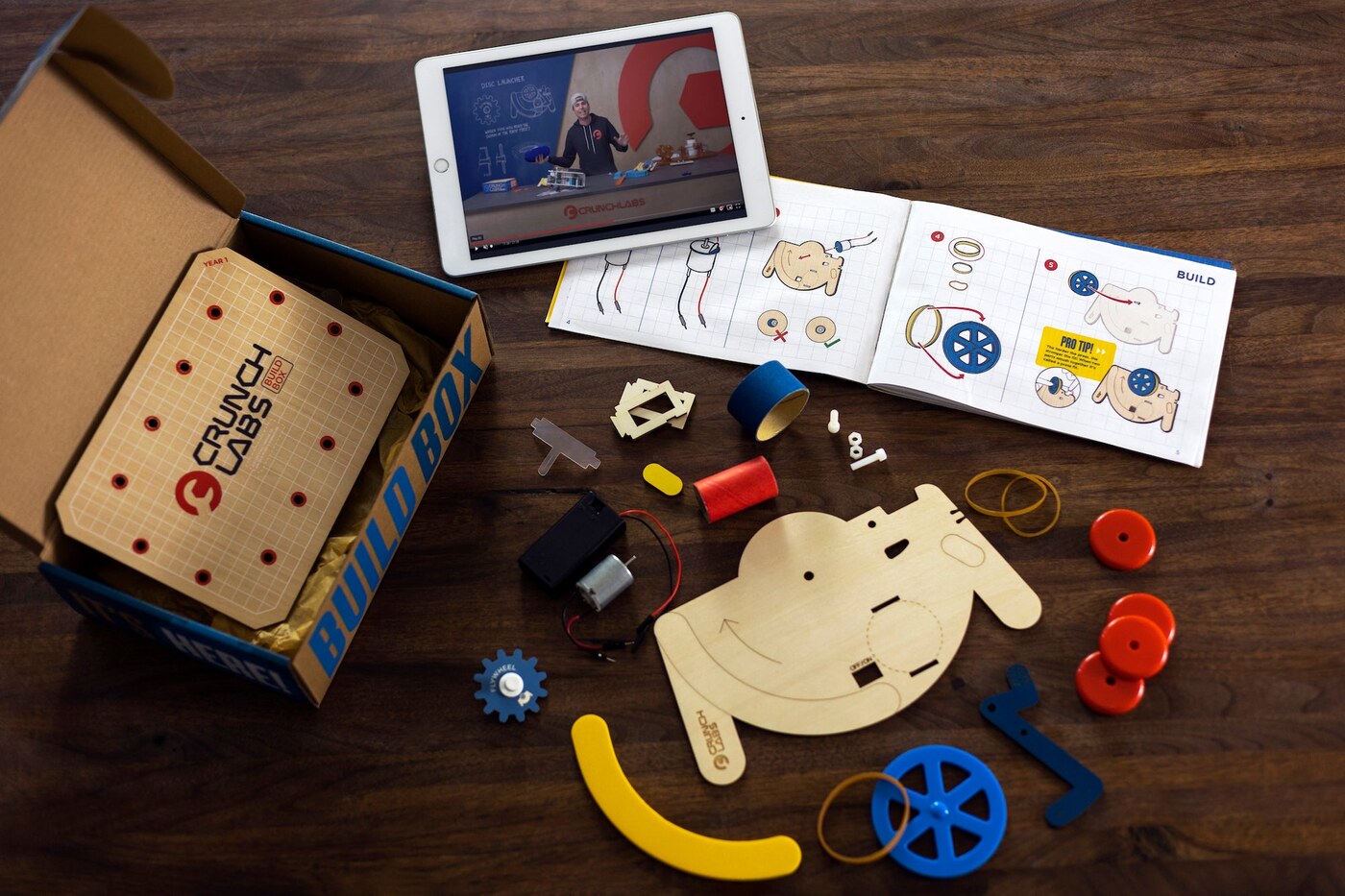
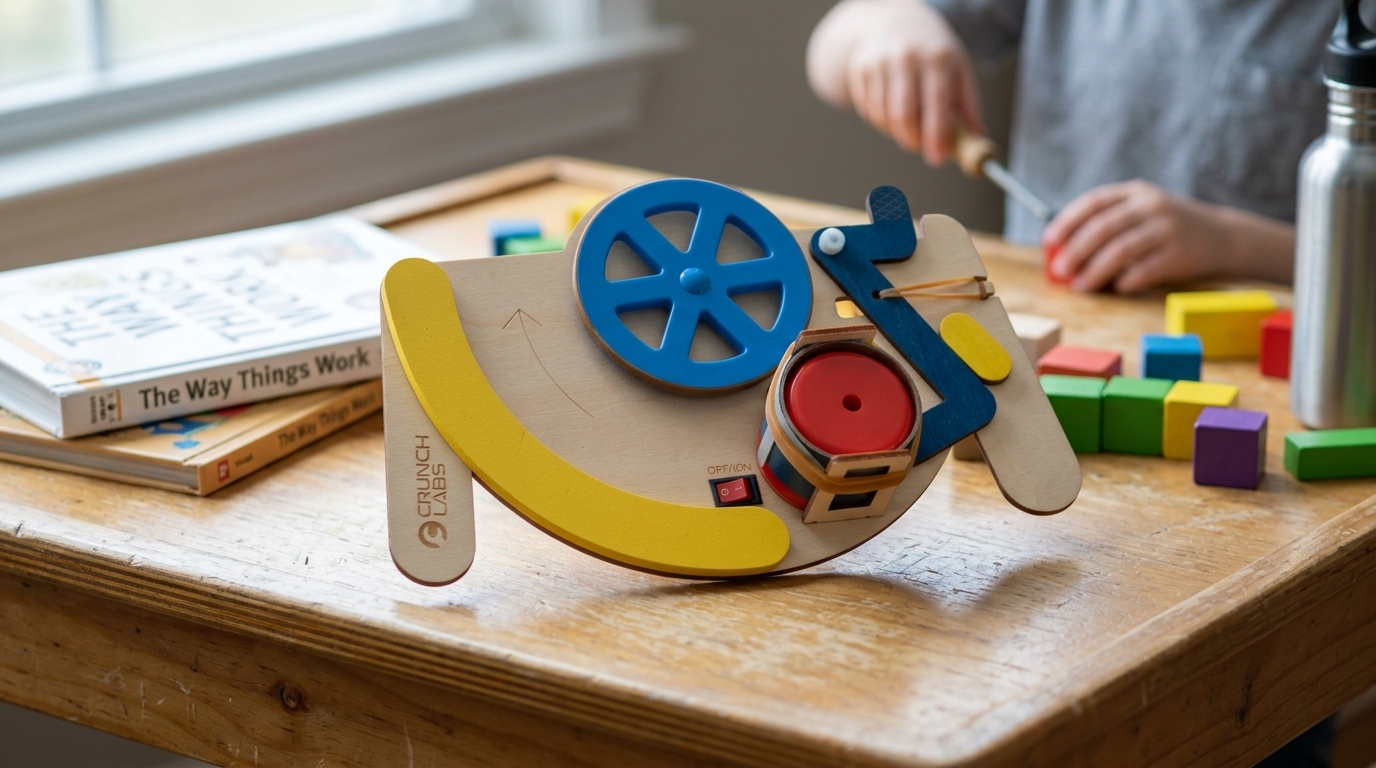
Usually, as long as nothing depends on the delivery date. Build Box is former NASA engineer Mark Rober's subscription for ages 8-13: 12 buildable toys a year (recent rotations include a drawing robot and a domino catapult), each paired with a Rober video. His channel sits at 77-79 million subscribers, and that pull shows in engagement: kids actually finish these builds. Pricing runs $25 per box on the annual plan ($330/yr) or ~$35 per box quarterly.
Feedback across 1,972+ Trustpilot reviews is mostly positive on quality and instructions. The recurring complaint is shipping: 200+ reviews mention delays of 2-4 weeks past the promised window, worst around holidays. A smaller cluster (~10 reviews) reports pieces breaking within the first weeks.
Skip it if: the box is a birthday or Christmas gift with a hard date, your budget resists a ~$330/yr commitment, or your kid is under 8.
How safe is MEL Science's real chemistry?

Safer than "real chemicals" sounds, by the published standards. MEL Science ships genuine reagents for ages 10-16, and states its kits comply with US CPSC requirements and the EU EN 71-4 standard for children's chemistry sets, with no explosives included and every experiment tested with kids. The maker still recommends supervision for ages 10-16. Treat that as binding, and store the kit away from any child under 3; the small-parts choking rule applies to every box in this guide.
The draw is depth: a 100+ experiment library (tin dendrites, pH indicators, hydrogen foam) plus video guides and AR/VR explainers, at ~$30/mo, or roughly $20/mo effective on the "12 months for the price of 8" annual deal. Its 621 Trustpilot reviews average 4 stars, with educators praising the explanations. The honest downside: 50-80 of those reviews describe experiments that refused to reproduce even when instructions were followed, and about 30 mention winter delivery delays. Real chemistry is finicky. That is half the lesson, but tell your kid up front.
Skip it if: your child needs instant wow, you would rather not store chemical reagents, or they are under 10.
What actually works for kids under 8?

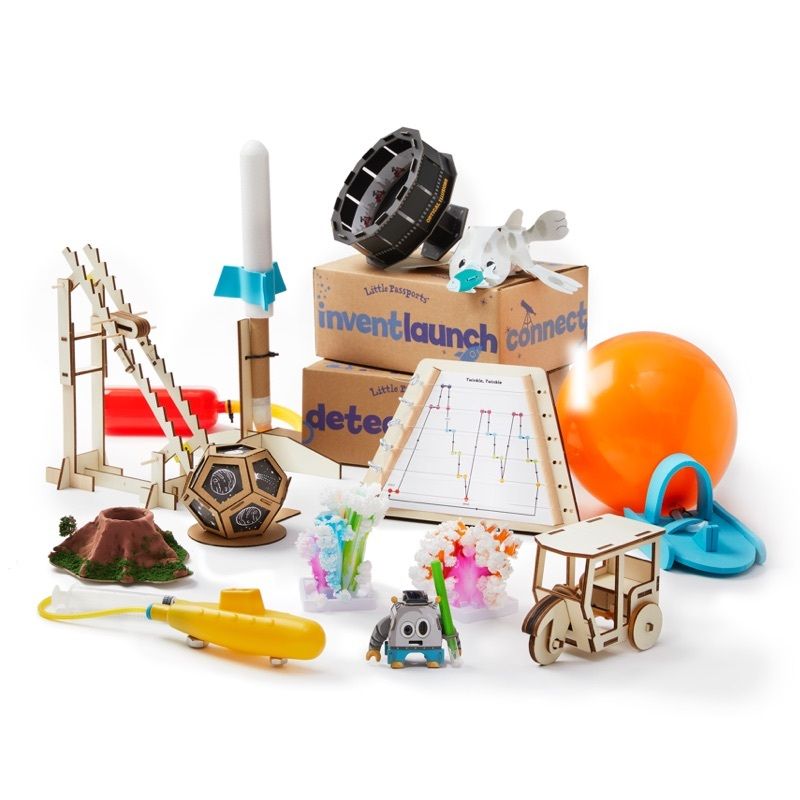
Two of the seven are built for this band, and they solve different problems.
Little Passports Science Junior (ages 5-8) wraps 4-6 hands-on activities in a monthly theme (volcanoes, deep sea, rockets) plus a 12-page adventure comic, stickers, and cards. It costs $32/mo monthly, $27/mo on the 6-month plan, or $25/mo on the annual plan. Its quiet superpower is the exit: the help center documents cancel-anytime online, the least friction of any box here. The trade-off is rigor: it teaches through story, not engineering. A child already dismantling remotes will outgrow it fast.
Green Kid Crafts (ages 3-10+, ~$30/box) leans eco: 4-6 projects per box from sustainable materials, a 12-page magazine, and a tree planted per order through One Tree Planted. It is the only option here for a 3-4 year old. The honest skip-this: if you want science rather than craft with a science theme, pass. Reviewers often note the Junior boxes (3-5) especially are light on STEM rigor, and the magazine can read as filler.
If a recurring charge feels premature for this age, a one-off kit is the lower-stakes test; our best science kits for kids guide covers those.
What about the budget tier and the rigor tier?
The extremes of the price ladder are the two easiest picks to explain.
Steve Spangler Science Club is the budget answer: the Snack tier at about ~$10/mo, Lab at ~$20/mo, Deluxe at ~$30/mo, all with free shipping on monthly plans, for ages 8+. The Spangler brand is entertainment-first science, and independent review data is thinner than for the premium brands. The Snack tier is thin on purpose; the ~$20 Lab tier is the one worth buying.
Groovy Lab in a Box (~$25-$35/mo depending on term, ages 8+) is the rigor answer. Each box runs a genuine engineering design loop (investigate, brainstorm, build, test, redesign) recorded in a lab notebook, roughly 4 projects per month. STEM Education Guide calls its lesson plans the most well-thought-out among science subscription boxes. The same structure is its filter: a child who wants a quick fun build will stall on the redesign step. This one rewards patience.
Skip Spangler if you want depth over demonstrations; skip Groovy Lab if your kid abandons anything that takes two sittings.
So which STEM subscription box should you buy?
Bottom line: For most kids aged 9-12, KiwiCo Tinker Crate ($24/mo on annual) is our pick, with the strongest quality record of the seven. Subscribe with a cancellation reminder already on your calendar.
By parent profile:
- Most families, kid aged 9-12: KiwiCo Tinker Crate. The cleanest quality record at a mid-tier price. Put a cancel-or-keep reminder on your calendar two days before each billing date; the 11:59 PM EST window is the one real flaw.
- STEM-serious household: Groovy Lab in a Box at 8+, graduating to MEL Science chemistry at 10+. Both trade sparkle for substance.
- Budget first: Spangler STEM Lab at ~$20/mo. Half the price of the premium boxes, and free shipping.
- Under 8: Little Passports Science Junior for a story-driven 5-8 year old; Green Kid Crafts only if craft-forward is the point.
- Fan of Mark Rober: CrunchLabs Build Box is worth it, ordered well ahead of any date that matters.
Whichever you choose, start monthly, watch one box get finished, and only then take the annual discount. The subscription model is the product's biggest feature and its biggest trap, and you decide which one it is the day you set that reminder.
Shopping for a gift? Start here
- Best LEGO Botanicals Sets for Adult Builders and Gift-Givers (2026)
- LEGO Botanicals Bonsai Tree vs LEGO Botanicals Orchid: Which Is Better for Adult Builders and Gift Buyers?
- Holiday Gift Guide 2026: The Best Toys by Age and Budget, From Preschool to Grown-Ups
- Gifts for Grown-Ups Who Still Love Toys: LEGO, Board Games and Puzzles (2026)
Holiday gift guide drops every Friday in Q4
One email a week with the newest review and the toys our community is actually buying. No spam, unsubscribe anytime.