STEM and science · Ages 5-12
Best 3D Pens for Kids (2026): Low-Temperature vs High-Temperature Safety Breakdown
PCL pens (60°C, ages 5+) vs PLA pens (235°C, ages 8+). This research-backed guide ranks the best 3D pens by temperature, age fit, and burn risk.
Published Aug 10, 2026 · 11 min read
As an Amazon Associate, I earn from qualifying purchases. Your price stays the same.
TL;DR
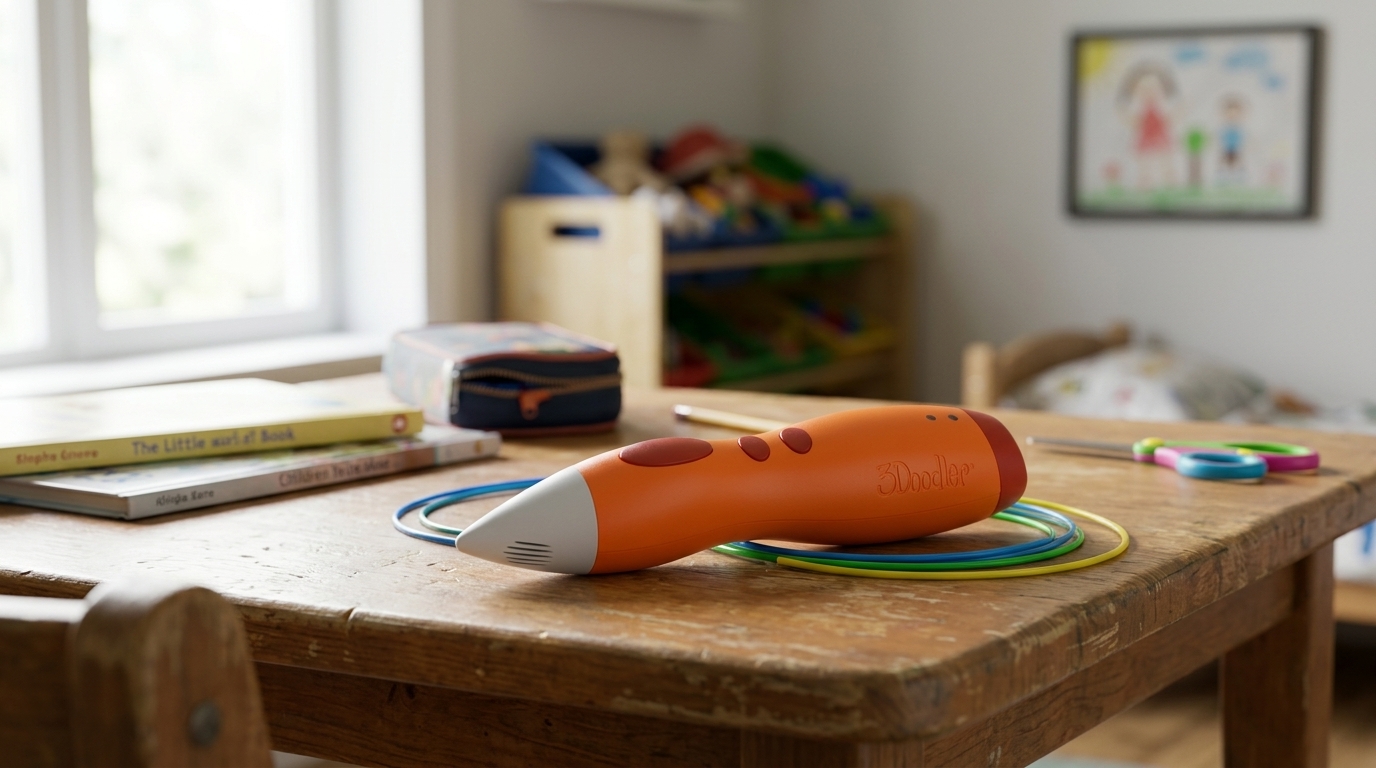
- For ages 5-7: 3Doodler Start+ Essentials (~$50-80, PCL, 60-80°C) is the safest pick. No burn risk, cools in seconds, and teaches real spatial creativity with zero nozzle clogging frustration.
- For ages 8+ with patience for maintenance: SCRIB3D P1 (~$40-60, PLA, 235°C, 4.3 stars from 17,587 reviews) builds stronger models but needs active troubleshooting if clogs happen. Only pick if your child won't abandon the pen after the first jam.
- The core truth: Temperature and nozzle sealing matter infinitely more than brand name. A 60°C PCL pen beats a 235°C PLA pen for any child under 8.
Temperature is the decision. PCL pens run 60-100°C, a brief nozzle touch feels warm but does not blister. PLA pens reach 175-235°C, touching the nozzle causes a real burn. Every number and safety claim is tied to manufacturer specs or published sources, not hands-on testing we did not do.
As an Amazon Associate, I earn from qualifying purchases made through product links in this review.
Quick pick: 3Doodler Start+ Essentials. Best for ages 5 to 7 who need a low temperature pen with no burn risk. See it on Amazon (affiliate link)
Which nozzle temperature is safe for your child's age?
For ages 5-7, PCL pens (60-100°C) are safe with minimal burn risk. For ages 8+, PLA pens (175-235°C) carry real burn risk and require active supervision. No CPSC recalls exist for consumer 3D pens as of August 2026. Manufacturers self-certify against ASTM F963-23 standards. The most reliable safety signals: sealed nozzle design (prevents clogging) and age-matched temperature spec.
| Feature | PCL Pens (Safe) | PLA/ABS Pens (Higher Risk) |
|---|---|---|
| Nozzle temperature | 60-100°C | 175-235°C |
| Recommended age | 5-7 years | 8+ years |
| Filament type | Biodegradable, eco-friendly | Plastic, stronger output |
| Cool-down time | ~10 seconds | 2-5 minutes |
| Model strength | Flexible, soft sculptures | Hard, glossy models |
| Burn risk | Minimal (brief warmth) | Real (blistering) |
| Best for | Younger kids, frustration-prone | Patient older kids, detailed work |
| Maintenance burden | Low | Medium-high (clogging common) |
For most kids under 8, PCL pens (simpler, safer) outweigh PLA pens (trickier, sturdier).
Which pen is best for ages 5-7?
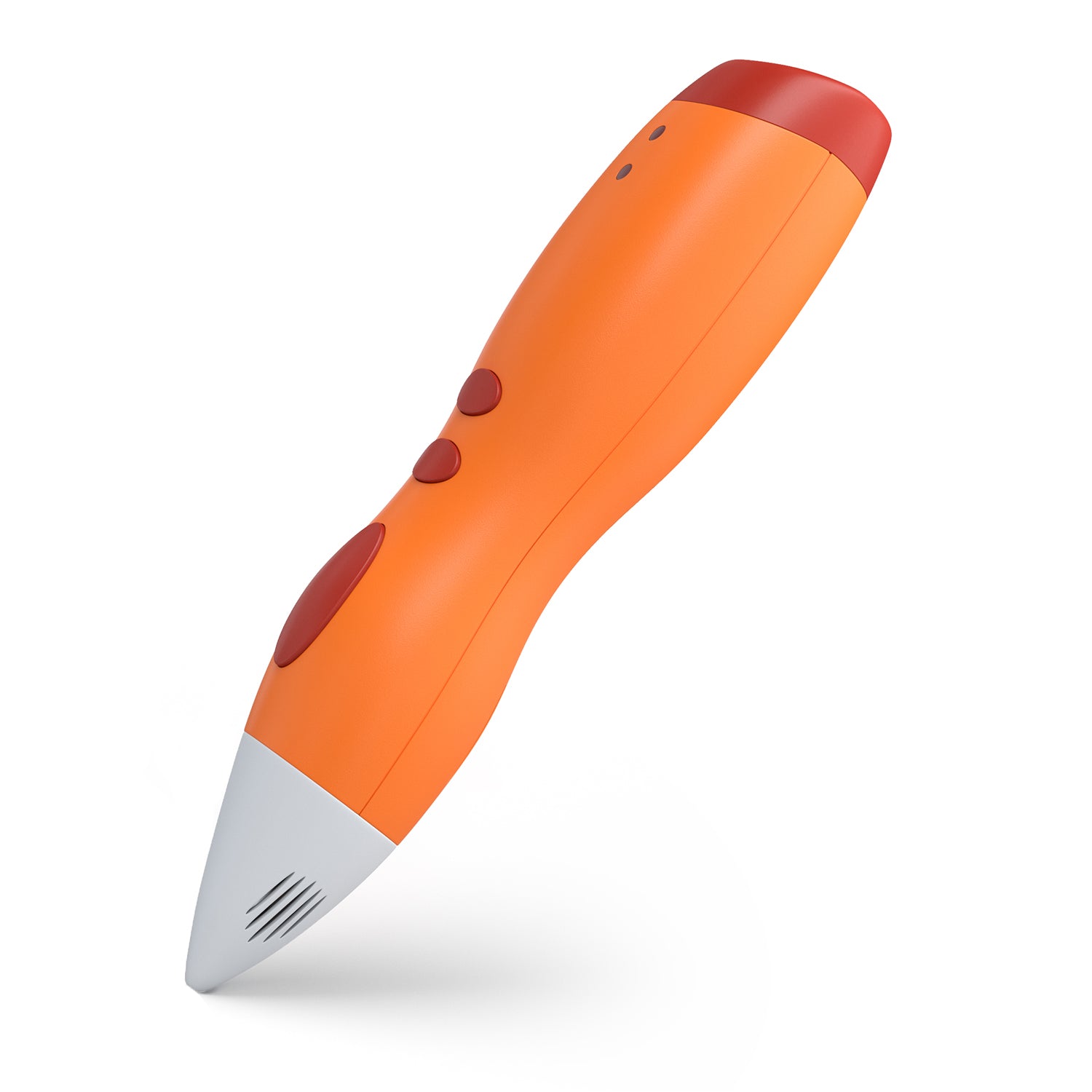
3Doodler Start+ Essentials ($50-80, ASIN: B086JQQHPK) has no external hot parts. Plastic cools instantly and is safe to doodle on skin. Lasts 30 minutes per charge or 1-1.5 hours with breaks. Sealed nozzle prevents clogging frustration from other brands. 3Doodler since 2013 offers good support and widely available refills. Amazon feedback: consistent praise for ease and reliability. Some note battery drain and occasional reverse-function glitches.
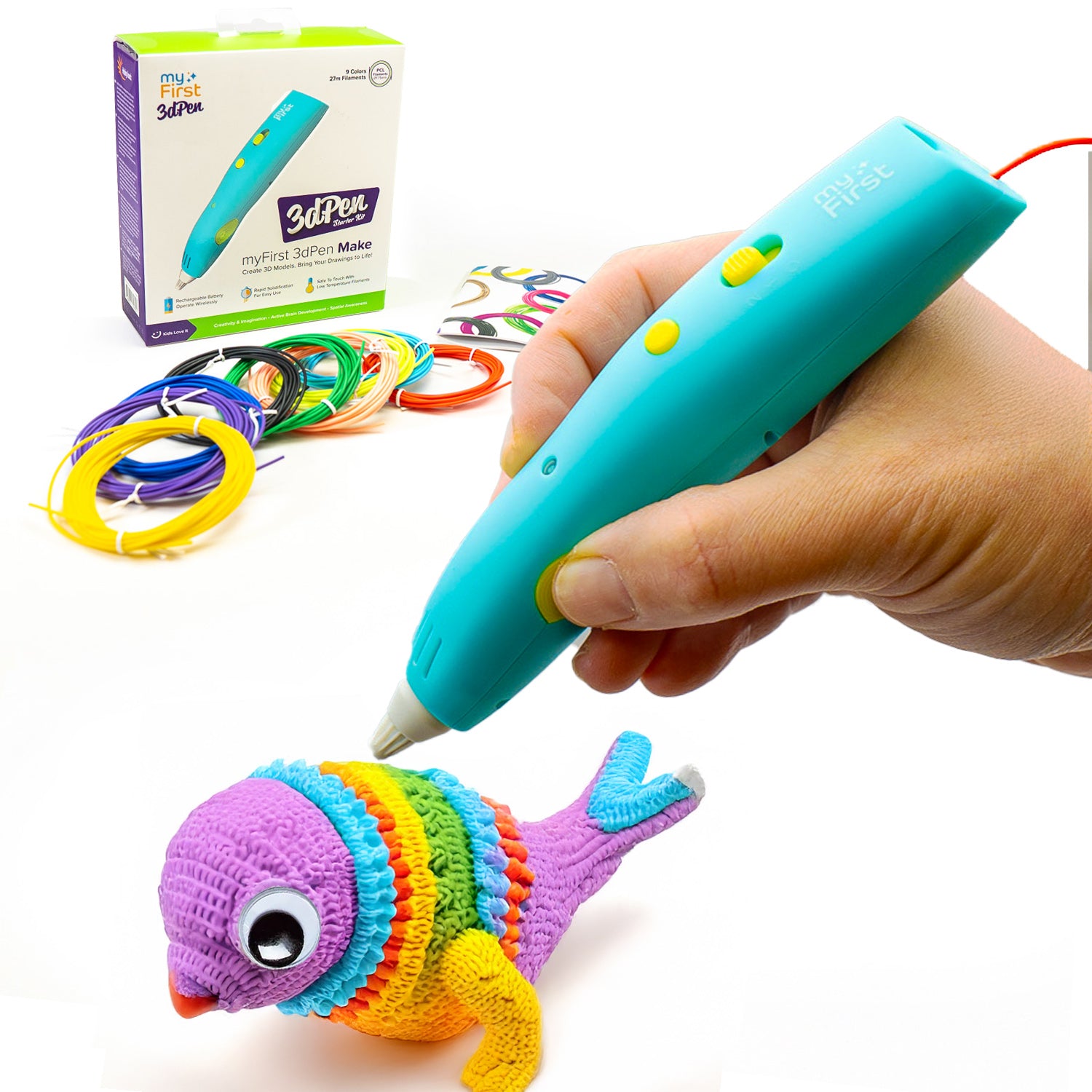
Budget alternative: myFirst 3dPen Make (~$40-50) offers 60°C nozzle, 5+ age label, 10-second solidification. Trade-off is less-established brand with fewer reviews. Pick this if budget is tight. Otherwise, 3Doodler's reputation justifies the premium.
Which pen is best for ages 8+?
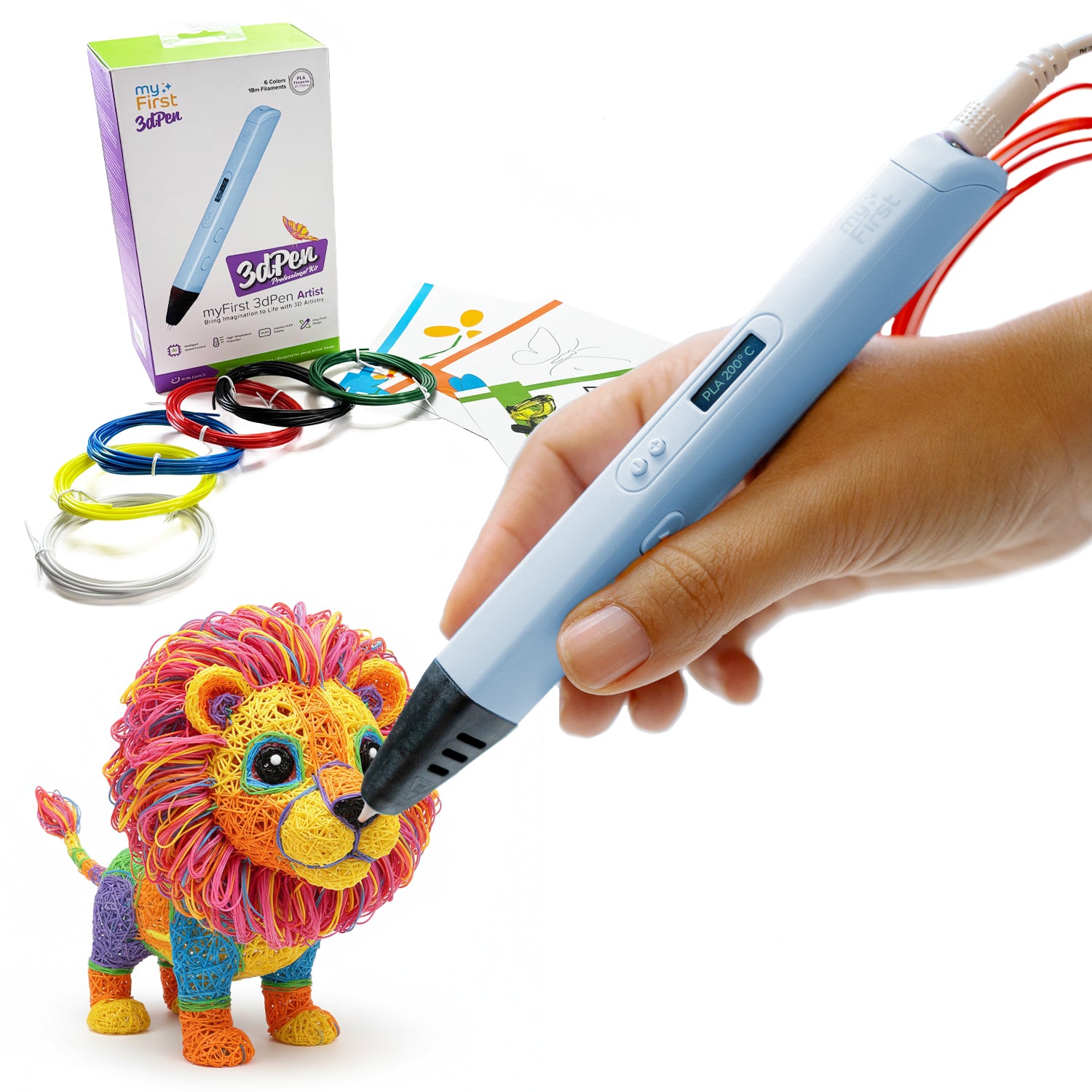
SCRIB3D P1 (~$40-60, ASIN: B08HM4133L) earns 4.3 stars from 17,587 verified reviews. One of the most-reviewed high-temp pens. Reaches 235°C PLA/ABS. OLED display lets kids dial temperature for filament switching. Honest cons: nozzle clogging is common, high temperature requires active supervision, reverse function occasionally sticks. Only pick if your child can troubleshoot jams without giving up.
Premium option: MYNT3D Professional (ASIN: B01BLQ24IW, ~$80-100) offers 1-degree temp control (140-240°C), replaceable nozzle, OLED. Suits teens who have outgrown beginner pens; start with SCRIB3D P1 first.
What happens when you pick the wrong temperature?
A 7-year-old touches a 235°C SCRIB3D P1 nozzle out of curiosity. Small blister results. Child associates pen with pain. Pen gets boxed away. With a 60-80°C 3Doodler instead, the child feels warmth and avoids touching it again. They keep creating. Weeks pass. They ask for more filament. The habit sticks.
PCL pens (60-100°C) let kids explore safely; PLA pens (175-235°C) require constant hand-watching. For most families, PCL's simplicity outweighs PLA's sturdier output.
Who should skip a 3D pen entirely?
-
Your child is under 5 or has poor impulse control. A 4-year-old who mouths toys will not grasp "don't touch the hot part."
-
They abandon toys the moment something jams. 3D pens clog. A child who throws it down when the line stops extruding won't benefit. Try a screen-free robot like Botley instead.
-
You cannot budget for refills. Starter kits last 2-4 weeks. Refills run $10-25 per pack. Budget before buying.
-
You need solo entertainment for hours. Sessions last 20-45 minutes before battery drain or creative fatigue. Parent engagement required.
-
Screen time concerns + no patience for learning curves. A 3D pen trades screens for hands-on making (better), but requires your troubleshooting if things jam.
What are the honest cons?
3Doodler Start+ Essentials: snap blocks crack if forced; booklet has typos; replacement parts ship slowly.
SCRIB3D P1: nozzle clogging is common, requires cold-pull learning, 235°C demands supervision, jams discourage frustrated kids.
myFirst 3dPen Make: smaller brand, fewer reviews, shorter battery life than 3Doodler.
How do these models compare?
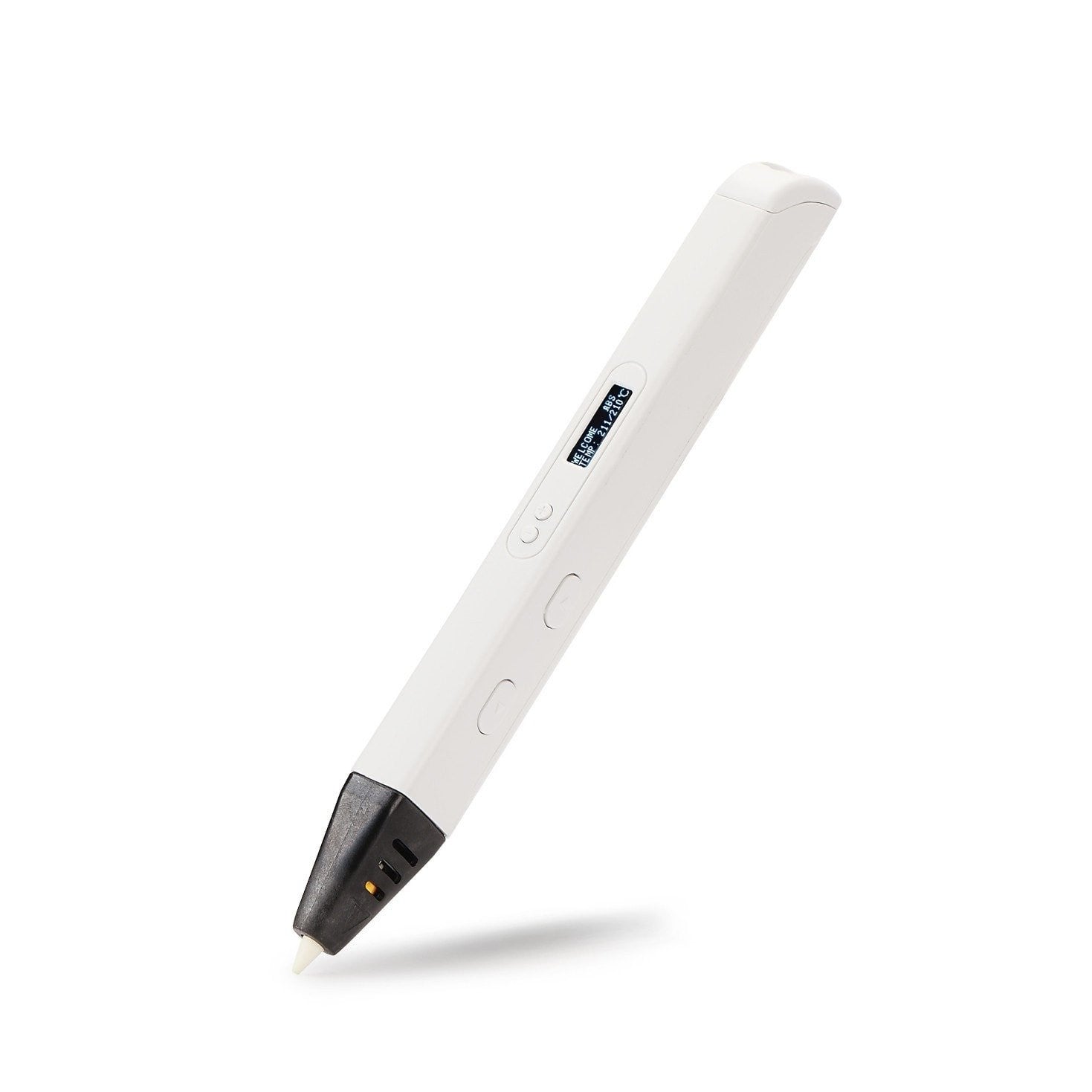
| Model | Temperature | Min. Age | Filament | Price | Clog Risk | Best For |
|---|---|---|---|---|---|---|
| 3Doodler Start+ Essentials | 60-80°C | 6+ | PCL | ~$50-80 | Low | Ages 6-9, safety-first |
| myFirst 3dPen Make | 60°C | 5+ | PCL | ~$40-50 | Low | Budget PCL |
| SCRIB3D P1 | 235°C | 8+ | PLA/ABS | ~$40-60 | High | Ages 8+, budget |
| MYNT3D Professional | 140-240°C | 12+ | PLA/ABS/PETG | ~$80-100 | Medium | Teens, advanced |
What are the hidden costs?
- Starter filament: included; lasts 2-4 weeks.
- Refill packs: $10-25 per pack.
- Nozzle replacement (high-temp): $5-15 if clogging becomes chronic.
- Battery replacements: $5-8 if rechargeable packs wear out.
Pro tip: Buy one refill pack with the pen. If your child runs out and loses interest within a month, you know it is not a keeper. Saves $20-30 on unused stock.
FAQ
Which pens do not clog easily? 3Doodler Start+ and myFirst 3dPen have sealed-nozzle designs and the fewest clogging complaints. SCRIB3D P1, despite popularity, is most cited for clogging, partly because it has the most reviews (17,587). Real metric: PCL pens clog far less than PLA. PCL forgives dust/humidity; PLA is finicky.
Can you mix filament types in one pen? No. Switching PCL to PLA requires full nozzle purge. PCL filament in a 235°C pen will burn and discolor. PLA in a 60°C pen will jam immediately. Pick one filament type or buy a second pen.
How often do these pens break? Feed buttons and reverse functions stick occasionally, but rarely signal a systemic defect. Most last 1-2 years if nozzles stay clean. The most common "failure" is a child losing interest after one month, not the pen's fault.
What is a "cold pull"? Heat the nozzle, push filament through, yank it out quickly while cooling. Removes trapped particles and clears jams. PCL pens rarely need this (sealed nozzles prevent clogs). PLA pens like SCRIB3D P1 require cold-pull skills to survive. If learning a cleaning technique sounds daunting, pick PCL and skip the headache.
Are there battery-safety issues? All models use AA or enclosed Li-ion packs. No CPSC recalls exist. Main complaint: quick drain (45-90 minutes continuous use). Store pens out of reach if a toddler is in the house; battery compartments are not toddler-proof, and button-cell ingestion is a medical emergency.
The verdict: our pick
Bottom line: For most families, 3Doodler Start+ Essentials 3D Pen Set is the safest, most durable pick (4.5/5). No burn risk for ages 6+, instant cool-down, sealed nozzle = no clogging frustration, and it teaches real spatial creativity.
For a child aged 5-7: 3Doodler Start+ Essentials is the clear choice. It trades nozzle temperature for safety and ease-of-use, a trade that pays back every time your child keeps creating instead of abandoning the pen after a jam.
For a child aged 8+ with genuine patience for troubleshooting: SCRIB3D P1 earns its place at $40-60. It builds stronger, glossier models than PCL pens and has strong buyer reviews. But only if your child won't throw the pen at the wall the moment a clog happens.
Do not pick a high-temperature pen for a child under 8, and do not pick a 3D pen at all if your child has never shown interest in hands-on making. Start with something lower-stakes first: a simple sketching tablet, a screen-free coding robot like Botley, or a subscription art box like KiwiCrate. A 3D pen is a commitment to both parent engagement and refill costs. The investment pays off only if your child sustains interest past the first month.
For related picks and deeper safety context, see our guides to best STEM toys for 6-8 year olds and best screen-free coding toys.
Sources & Safety References
- 3Doodler Start+ official specifications: nozzle temperature, age label, and no-hot-parts design verification
- 3D4Create safety guide: PCL vs PLA temperature comparison: 60-100°C (PCL) vs 175-220°C (PLA/ABS) burn-risk framing
- Happy Kid NZ: PCL brief-touch safety data: confirmed minimal burn risk on PCL nozzle contact
- PenUp3D: age recommendations and filament safety guide: PCL for under 8, PLA for 8+
- CPSC toy safety standards (ASTM F963-23): small-parts and hazard-labeling baseline; 3D pens self-certified by manufacturers
- Amazon: SCRIB3D P1 verified-buyer reviews (17,587 reviews, 4.3 stars): nozzle-temperature specs, clogging patterns, burn-risk reports
- Amazon: 3Doodler Start+ verified-buyer reviews: battery life, reliability, mechanical-failure patterns
- myFirst 3dPen specifications and age recommendations: PCL filament claims, 5+ age label, 10-second solidification
Shopping for a gift? Start here
- Best LEGO Botanicals Sets for Adult Builders and Gift-Givers (2026)
- LEGO Botanicals Bonsai Tree vs LEGO Botanicals Orchid: Which Is Better for Adult Builders and Gift Buyers?
- Holiday Gift Guide 2026: The Best Toys by Age and Budget, From Preschool to Grown-Ups
- Gifts for Grown-Ups Who Still Love Toys: LEGO, Board Games and Puzzles (2026)
How we research: This guide is based on manufacturer specifications, published independent reviews, and verified-buyer feedback, not hands-on testing.
Holiday gift guide drops every Friday in Q4
One email a week with the newest review and the toys our community is actually buying. No spam, unsubscribe anytime.