HUES and CUES Board Game: A Practical Buying Guide for Colorful Game Nights
A clear guide to the HUES and CUES color-guessing board game: who it's for, key checks, trade-offs, and alternatives for groups and families.
Publié le 2 oct. 2026 · 3 min de lecture
Ce guide n’est pas encore traduit. Vous consultez donc la version originale en anglais.
As an Amazon Associate, I earn from qualifying purchases. Your price stays the same.
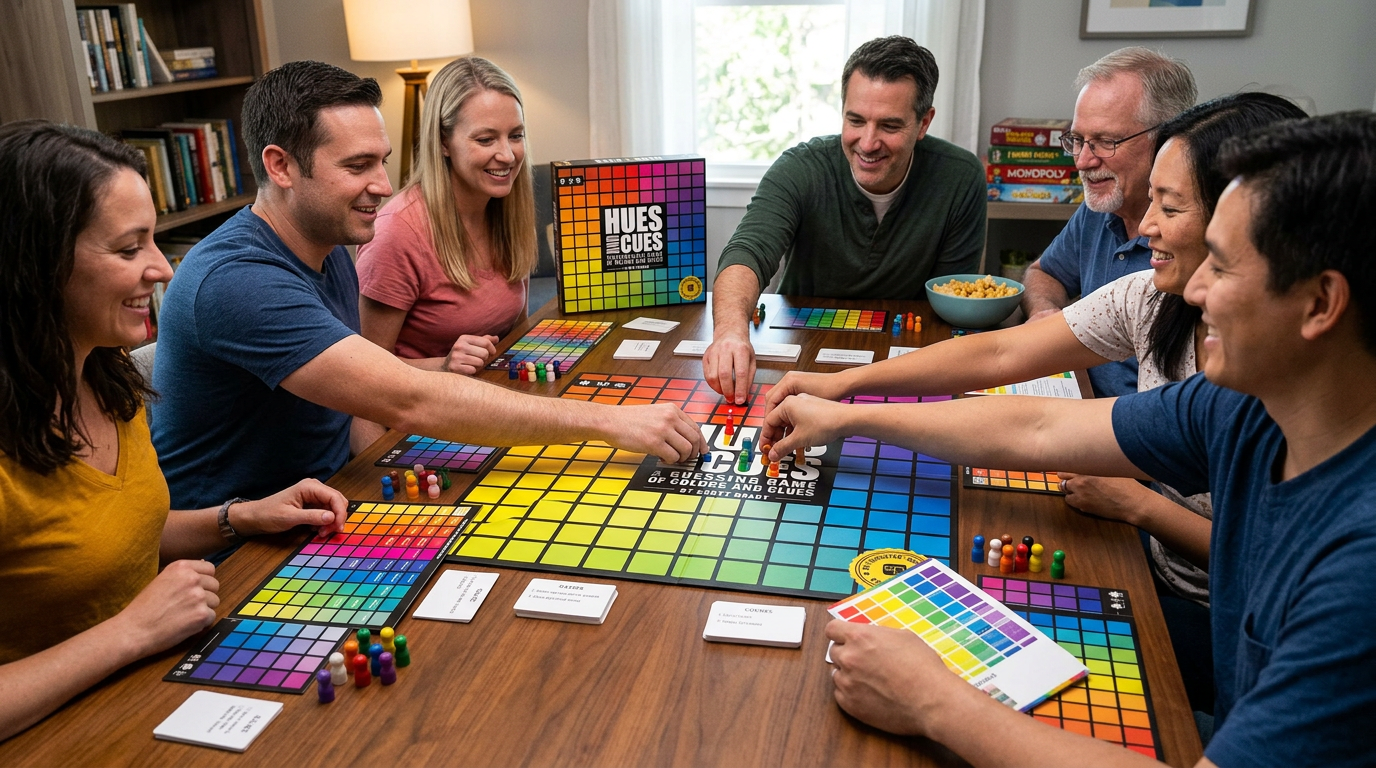
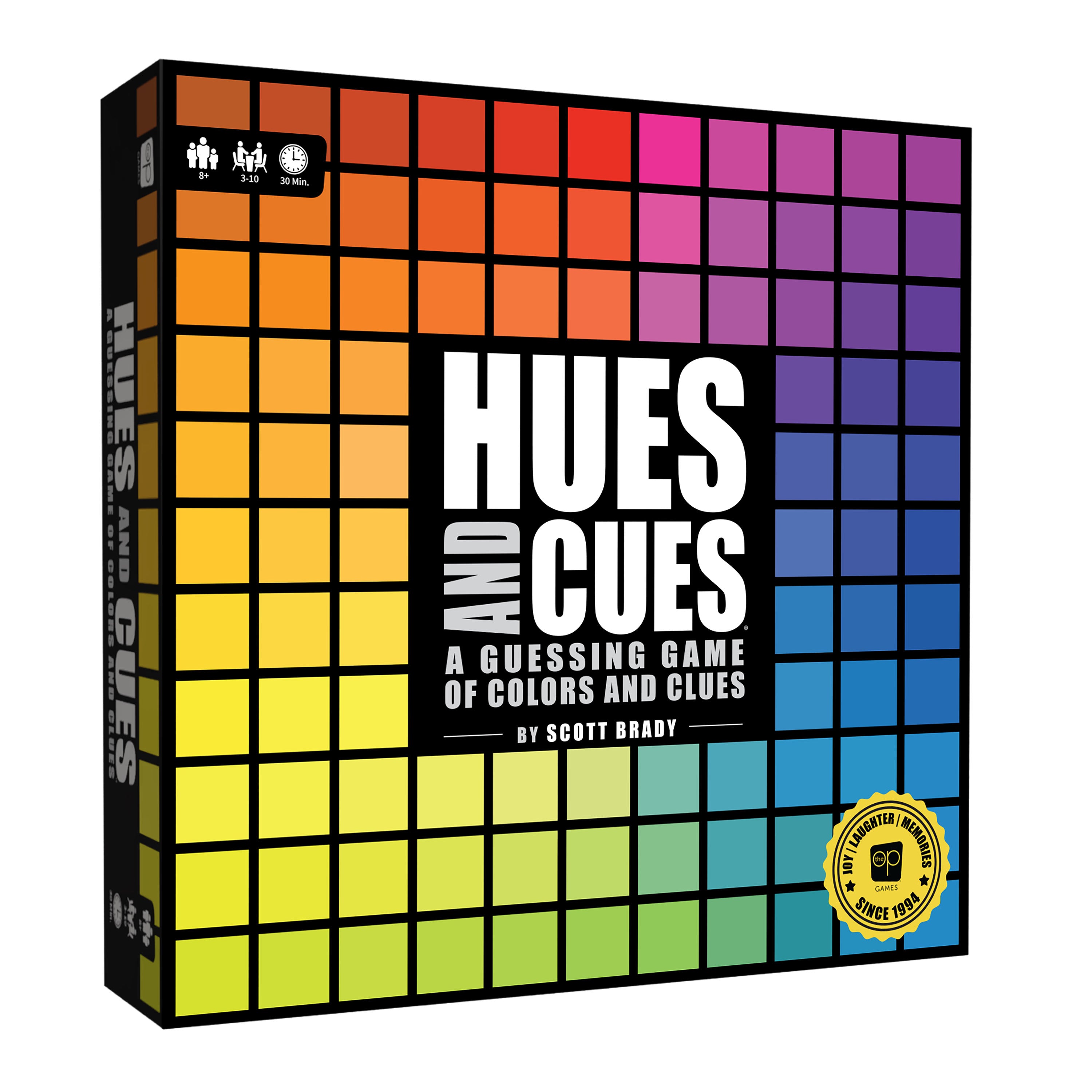
HUES and CUES is a board game centered on color guessing, designed for groups of 3 to 10 players. It appeals to those who enjoy testing their perception and sparking conversation. This guide covers who will get the most out of it, what to verify before buying, practical trade-offs, and how it compares to similar games, helping you decide if it fits your game shelf.
Quick pick: HUES and CUES board game. Best for groups who enjoy color guessing, testing perception, and sparking conversation. See it on Amazon (affiliate link)
Who Is HUES and CUES For?
Group Size and Social Play
The game supports 3 to 10 players, making it a flexible option for family gatherings, parties, or casual meetups. Its large player count range suits situations where the number of participants varies, as noted in the product catalog.
Color Enthusiasts
A review suggests that individuals with excellent color vision may find the game particularly engaging. The reviewer mentions scoring nearly perfect on the X-Rite PANTONE color test, indicating that the game rewards precise color discrimination. If you or your group enjoy nuanced color challenges, this could be a draw.
What to Verify Before You Buy
Detailed Specifications
The available search results do not provide confirmed details on age recommendations, game duration, component quality, or safety certifications. It is essential to check the product listing on Amazon or the manufacturer's website for specifics like age range, materials, and any warnings.
Color Vision Accessibility
Given the game's focus on color guessing, consider whether players have color vision deficiencies. The review highlights that excellent color vision enhances the experience, which might exclude some individuals. If accessibility is a concern, look for descriptions that mention alternative clue styles or accommodations.
Rules and Learning Curve
While the core concept of guessing colors based on clues seems straightforward, the search results do not elaborate on rule complexity. Watch tutorial videos or read the rulebook preview to ensure the mechanics match your group's preference for simplicity or depth.
Trade-offs and Considerations
Strengths in Social Settings
The game encourages discussion and debate over color interpretations, fostering interaction. With 3 to 10 players, it avoids the common issue of games that cap at four players, making it versatile for larger groups.
Potential Limitations
The reliance on color perception may not suit all players. Those with color vision deficiencies could find it frustrating or less enjoyable. Additionally, without confirmed details on game length, it might be too short or long for your session needs, another reason to verify specs beforehand.
Component and Replay Value
Since the search results do not cover durability or replayability, assess user reviews on retail sites for insights into whether the game maintains interest over time or if the color cards wear out quickly.
Alternatives to HUES and CUES
If you're exploring color-based or party games, consider these options, keeping in mind that details like player count and mechanics should be verified from their respective product pages:
- Codenames: Pictures: A team-based word association game with visual elements, often supporting more players and emphasizing lateral thinking.
- Dixit: A storytelling game with illustrated cards, where players guess based on creative clues, suitable for those who prefer narrative over pure color matching.
- Pantone: The Game: Another color-focused game where players recreate characters using color swatches, likely appealing to similar audiences but with different mechanics.
Always check current availability, player counts, and reviews for these alternatives to ensure they meet your group's preferences.
Should You Buy HUES and CUES?
Based on the available information, HUES and CUES is worth considering if you host medium-sized to large groups and have players with strong color vision. It offers a unique social experience centered on color discussion. However, confirm all specifications from the Amazon listing and consider the color vision requirements of your group before purchasing. If accessibility or detailed gameplay aspects are critical, explore the alternatives listed or seek more comprehensive reviews.
Sources
- Hues and Cues Game Review on MSN
- Product catalog information from BestToys.
View HUES and CUES colour-guessing board game (3-10 players)
Vous cherchez un cadeau ? Commencez ici
- Best LEGO Botanicals Sets for Adult Builders and Gift-Givers (2026)
- LEGO Botanicals Bonsai Tree vs LEGO Botanicals Orchid: Which Is Better for Adult Builders and Gift Buyers?
- Holiday Gift Guide 2026: The Best Toys by Age and Budget, From Preschool to Grown-Ups
- Gifts for Grown-Ups Who Still Love Toys: LEGO, Board Games and Puzzles (2026)
How we research: This guide is based on manufacturer specifications, published independent reviews, and verified-buyer feedback, not hands-on testing.
Le guide cadeaux des fêtes arrive chaque vendredi en Q4
Un e-mail par semaine avec notre dernier test et les jouets que notre communauté achète vraiment. Aucun spam, désabonnement à tout moment.